

The tears at the daycare door. The little hands that won't let go. Separation anxiety at drop-off is one of the hardest parts of being a working parent, and one of the most common. It's a normal stage for toddlers and preschoolers, and for most kids it gets easier with time and a steady routine.
For a small child, a parent's work isn't an office. It's the goodbye. The door closes, and the rest of the day is a blank. Explaining work is really about filling in that blank, so going to work doesn't feel like leaving.
Before you leave the house
Talk about the day ahead. "First breakfast, then school, then I pick you up after snack." Knowing what comes next makes the goodbye less of a surprise.
Tell them where you're going. Kids worry less about what they can picture. Connect your work to their day: you have meetings, they have circle time.
Read about it. A story about a parent going to work gives your child words for a feeling they can't name yet.
At the door
- Keep the goodbye short. A long goodbye tells your child something is wrong.
- Use the same ritual every day: a hug, a phrase, a wave at the window.
- Always say goodbye. Slipping out can make the next drop-off harder.
- Hand off to a teacher your child knows, then go.
- Stay calm and warm, even if they cry. Your child takes their cue from you.
After pickup
Tell them what you did today, and ask about their day. Point out how your days matched. Then keep the promise you made in the morning. Each time you come back when you said you would, the next goodbye gets a little easier.
If the anxiety is getting worse instead of better over several weeks, or it's affecting sleep or eating, check in with your pediatrician.
How to explain to your child why you go to work
Tell them where you go, in their words. "I go to work" doesn't mean much to a three-year-old. "I sit at a desk and talk to my team, like you sit at circle time with your friends" does. Connect what you do to what they do. You have meetings, they have circle time. You have lunch with coworkers, they have snack with friends.
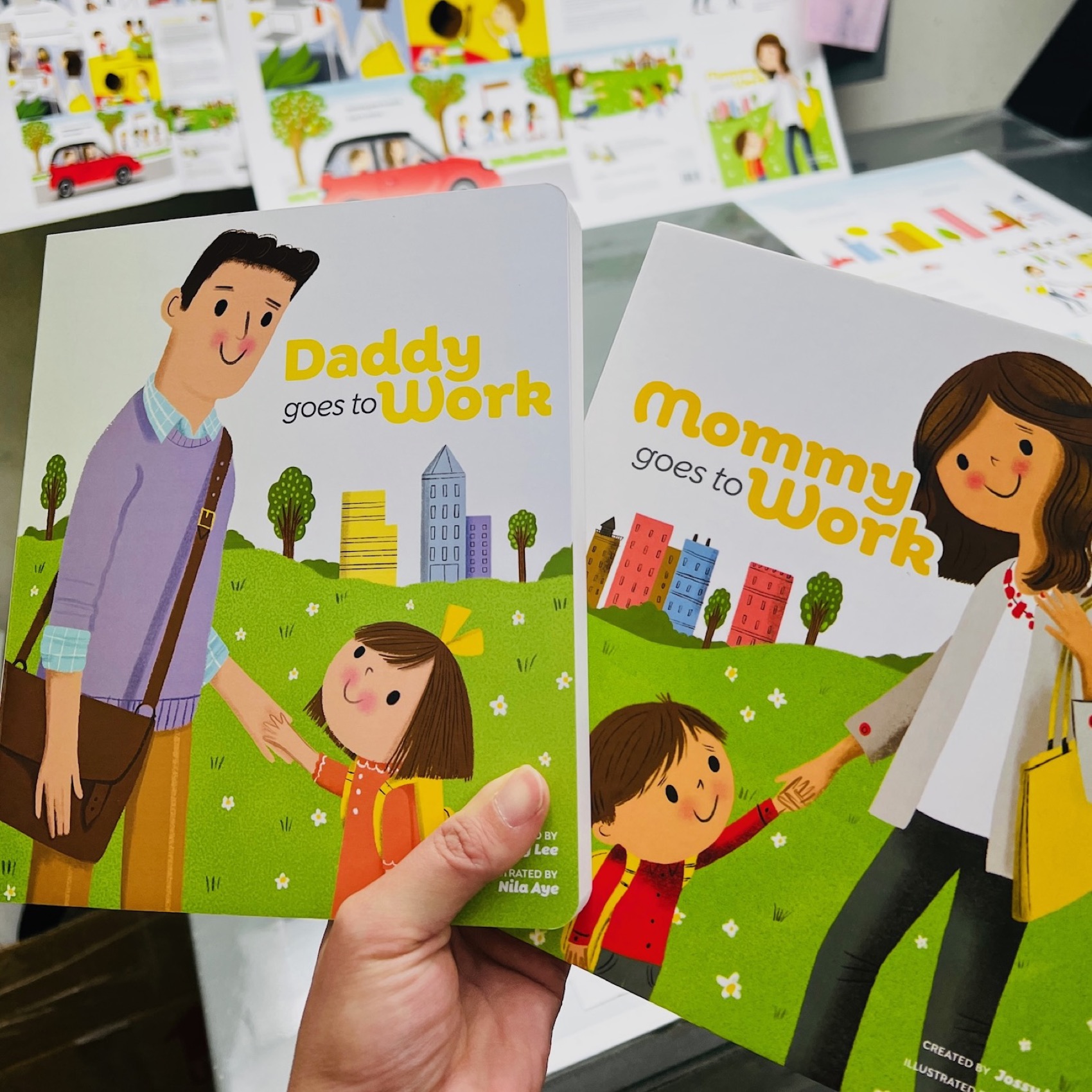
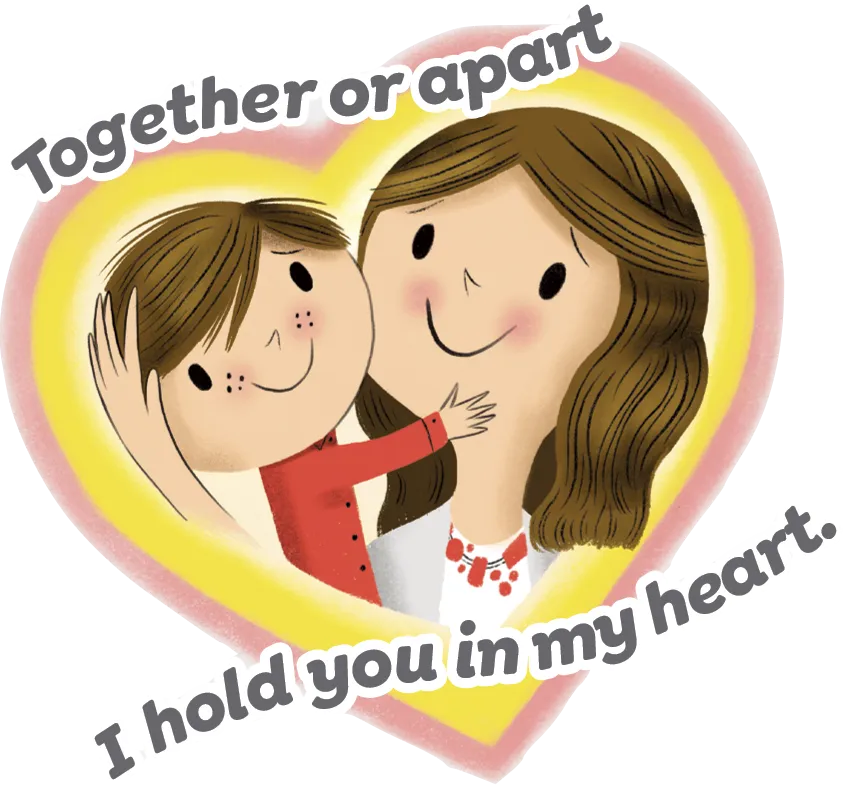
Read about it together. A story gives a child words for a feeling they can't name yet. It also gives you a way to talk about work, separation, and love without it being a big talk. Mommy Goes to Work and Daddy Goes to Work were written for exactly that, and they're as much for the parent as for the child.
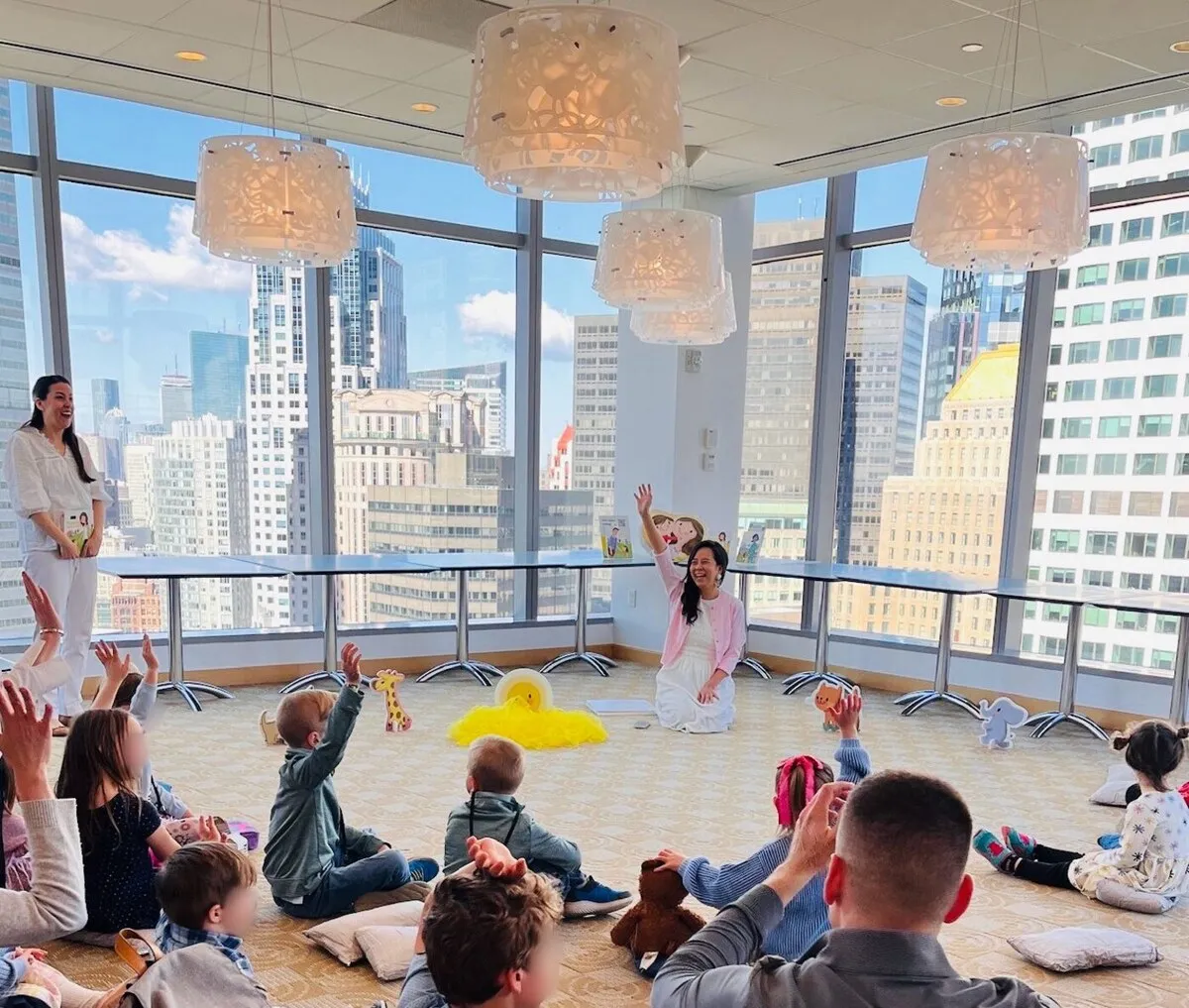
Let them see your work. Nothing explains work like seeing it. If your company runs Bring Your Child to Work Day, bring them. If you'd love something made for the little ones, it's worth asking your HR team or parents ERG to add a short session for them.
That parallel is the whole idea behind our storybooks: what Mommy or Daddy does at work mirrors what the child does at school.
If you feel guilty about going back to work
If you feel guilty going back to work, you're in good company. Almost every working parent knows the feeling: the drop-off that goes wrong, the bedtime you miss, the voice that says a good parent would be somewhere else right now.
Guilt usually means you care. It doesn't mean you're doing it wrong.
Hours before Jossy welcomed her first child, her delivery room nurse, Jenny, told her something she never forgot:
"I love my job as a nurse, but it's heartbreaking to leave home for night shifts and tell my young kids that mommy is leaving to take care of others."Jenny McGrail, delivery room nurse, Massachusetts General Hospital
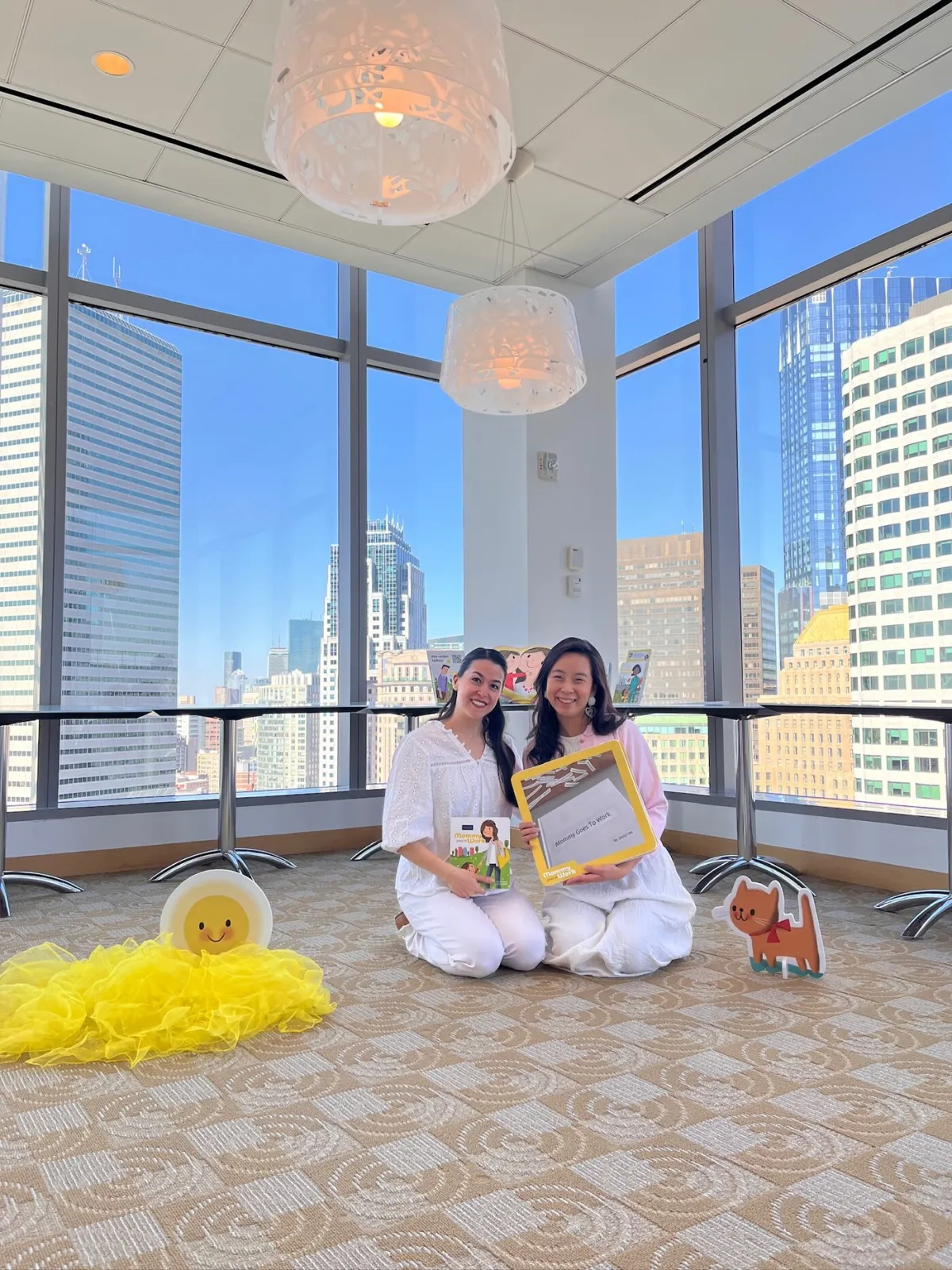
That goodbye is where Mommy Goes to Work started. Together with her favorite Creative Directors, her husband and three sons, Jossy wrote stories that help kids see where their parent goes all day, and help parents feel less alone in leaving.
Talk to other working parents. Guilt gets louder when you think you're the only one. A parents ERG, a coworker who has been there, or a friend with a toddler can turn it back down.
Your work is part of your family's story, not only time away from it. Kids can be proud of what their parents do. As Jossy puts it: "My hope is to make one more goodbye a little easier, one more bedtime a little richer, and one more child proud of the work their parent does."
Make the goodbye a little sweeter
Our storybooks and the Mommy Goes to Work song turn the daily goodbye into something to read, sing, and dance about together.